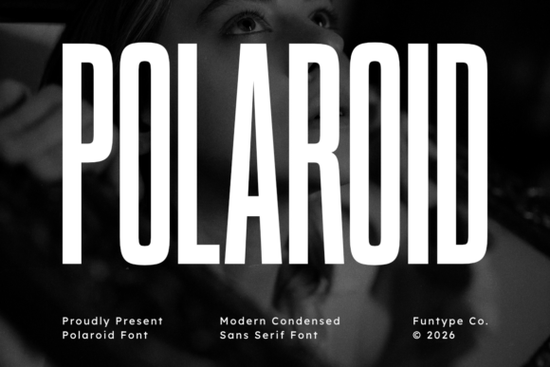
Finding a typeface that stands tall without feeling overbearing can be a real challenge. The Polaroid font solves that problem with a smart, condensed structure that blends a vintage photo-lab feel with strict modern geometry. If you design posters, product labels, or social media graphics, this font’s narrow, upright shapes give you a lot of room to play without losing readability.
What makes this condensed sans-serif stand out?
Most tall fonts either go ultra-light and delicate or crush everything into a heavy black mass. Polaroid stays in a comfortable middle ground. The letterforms are built on a narrow geometric block layout, so every vertical stroke feels intentional. You also get a deep contrast between thick verticals and thin horizontal lines a feature that adds a crisp, almost cinematic rhythm to your words.
This isn’t just another neutral condensed font. The subtle rounding on some edges and the consistent spacing make it feel balanced, even when you stretch words across a wide banner. Because of that, it’s easy to read at a glance, which matters a lot for store signage, trade show displays, and even apparel tags. If you often browse well-loved sans-serif choices for display work, you’ll notice Polaroid holds its own without mimicking the trendy brutalism or generic tech looks.
What types of projects really benefit from a tall, narrow font?
A display font like this works best when you give it space to breathe. Here are a few practical uses where Polaroid naturally fits:
- Film and event posters – The towering letterforms echo classic movie title treatments, adding instant tension and mood.
- Retro fashion branding – Clothing labels, lookbook covers, and hang tags pick up a nostalgic yet polished tone.
- Product packaging – Boxes, coffee bags, or candle labels feel modern and premium with clean, narrow typography.
- Print-on-demand merchandise – T-shirts, tote bags, and mugs benefit from bold, readable text that doesn’t crowd the design.
- Social media templates – Quote cards, announcement posts, and short video titles stand out when words stay compact and tall.
Crafters who use cutting machines will also appreciate how clean the shapes are. The geometric forms weed and transfer nicely, which is a relief if you’ve ever fought with overly thin or ornate fonts.
Is it readable at smaller sizes?
Polaroid is built for display, not for setting long paragraphs of body copy. At small point sizes say below 14pt the tight letter width and strong vertical stress start to reduce clarity. That’s perfectly normal for this style. Stick to headlines, subheadings, and short callouts, and you’ll get the impact you want. Pair it with a simple serif or a light sans-serif for the main text, and the hierarchy will feel natural.
What file formats are included, and will they work with your software?
You receive both OTF and TTF files. That covers pretty much every design tool you might use, from Adobe Illustrator and Photoshop to free programs like Inkscape and Canva. The OTF format tends to hold advanced typographic features better, while TTF remains a solid standard for older software and Windows-based systems. Both versions install quickly and perform well on screen and in print.
For crafters using Silhouette Studio, Cricut Design Space, or Brother CanvasWorkspace, the TTF file usually integrates without extra steps. Print-on-demand sellers working with print files for Redbubble, Printful, or Merch by Amazon won’t run into outline issues because the geometry is clean and consistent.
Can you use this font for client work and products you sell?
Yes, the font comes with standard commercial use rights when you get it through Creative Fabrica. That means you can place it on physical goods, digital templates, promotional graphics, and branding projects without worrying about extra fees. Always read the specific license details on the product page to stay fully covered, especially if you plan to embed the font in a logo or distribute it as part of a larger design bundle.
Small businesses often lean on this kind of straightforward license because it removes copyright anxiety. Whether you’re printing at a local shop or uploading to a digital marketplace, you can move forward confidently.
How does it hold up next to other sans-serif display fonts?
Many modern condensed sans-serifs go for exaggerated x‑height or strange stylistic quirks that date quickly. Polaroid keeps a timeless skeleton. The tall, sleek presentation comes from proportion, not gimmicks. When you scroll through the bold, compact options available today, this one feels a little more mature, a little more considered. It doesn’t scream for attention; it stands there quietly and earns it. That makes it a reliable pick for seasonal lookbooks, minimalist branding, and even anniversary logo updates.
If you want to see the full character map and test a few words before deciding, you can explore the complete typeface details at your own pace.
A quick pre-download checklist
Before you add Polaroid to your font library, run through these simple steps to make sure it’s the right tool for the job:
- Identify one or two specific projects where a tall, condensed style will improve the layout.
- Grab a sketch or a rough draft and test the font name with your brand name or headline phrase in a preview tool.
- Pick a body text pairing something neutral like a clean serif or a regular-weight sans-serif.
- Confirm your primary design software supports both OTF and TTF files (most do).
- Check the included license to verify it covers your planned use, especially for commercial products.
Once those boxes are ticked, you’ll be ready to drop a confident, structured voice into your visual work the kind that feels classic today and fresh again next season.
Explore Design Think Loved Font: Add Heart to Your Designs
 Rainbow Font Design Ideas for Colorful Projects
 Rainbow Darling Duo Font: Design Inspiration & Uses
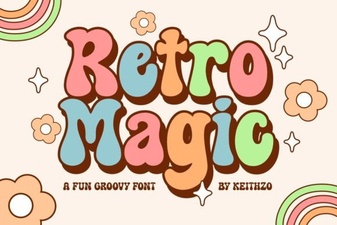 Retro Magic Font: Playful Vintage Typeface for Design Projects
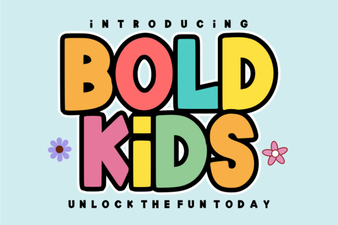 Playful Bold Kids Font for Creative Projects and Design
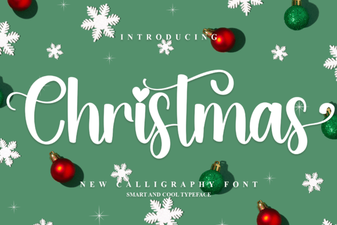 Best Free Christmas Fonts for Holiday Crafts & Design