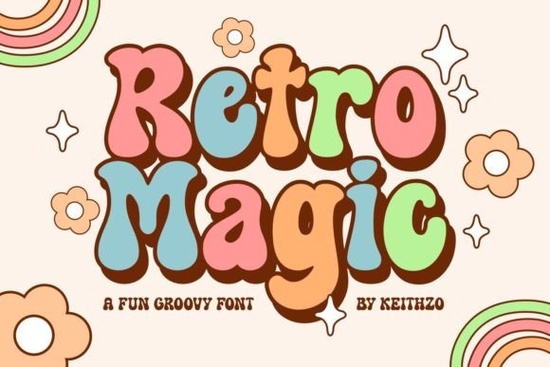
Finding a display font that balances playful energy with a romantic, vintage feel can be surprisingly tricky. The Retro Magic font fills that gap really well. It’s a typeface that feels lifted from a 1970s concert poster yet stays clean enough for modern greeting cards, logos, or social media graphics. The rounded letterforms, subtle bounce, and soft weight give it an unforced charm that works across a range of craft and print-on-demand projects.
What makes a retro display font stand out?
Retro display fonts aren’t just about looking old. They succeed when they capture a mood nostalgia, warmth, or a sense of handmade imperfection while remaining legible at larger sizes. Retro Magic does both. Its letter shapes are slightly condensed, with gentle curves and no sharp corners. That makes it feel approachable. The baseline isn’t rigidly straight either, which adds a hand-lettered rhythm that looks right on wedding invitations, restaurant chalkboard menus, or boutique labels. If you’re designing for a candle brand, a coffee shop, or a family photographer, the font’s personality does half the storytelling for you.
One common mistake is picking a retro font that’s too ornamental, which can overwhelm the reader. Here, the ornamentation is minimal. Only a few alternate glyphs and ligatures are available, so text stays readable without extra fuss. For a different retro flavor, you might explore a rougher texture like the grungy, confident style of Dirty Strong, which leans more toward edgy, urban designs. But if you want something smoother and more romantic, Retro Magic holds its own.
Where does Retro Magic work best?
Because it’s a display font, you’ll use it for headlines, short branding statements, quotes on merchandise, and apparel design. It shines in projects where a few words need to carry visual weight:
- Greeting cards and invitations: The soft, rounded serifs add a cuevée of elegance without being formal. Pair it with a simple sans serif for the body copy.
- Print-on-demand products: Think tote bags, t-shirts, or mugs that need a single word or phrase. The font’s playful lines print cleanly and catch the eye.
- Social media graphics: For an Instagram quote post or a Pinterest pin, Retro Magic sets the tone in a split second. Its personality is strong enough to stand alone.
- Small business branding: Bakeries, florists, vintage clothing shops, and handmade soap makers can all use it to create a consistent, memorable wordmark.
In each case, the font’s ability to feel both romantic and lively makes it more versatile than a straight-laced serif or a children’s handwriting font. For a more narrative, fairy-tale look, you could swap in the whimsical lettering of Cute Stories, but Retro Magic keeps its feet in a classic mid-century appeal.
How do I pair this font with other typefaces?
Pairing a display font is one of the most asked questions from designers and small business owners. With Retro Magic, I recommend keeping the secondary font neutral to let the retro personality breathe. A light, geometric sans serif (like Montserrat or Josefin Sans) works for body text, ingredient lists, or event details. A clean serif like Lora or Merriweather can also work if you need a slightly more classic feel. Avoid anything overly condensed or heavily shadowed Retro Magic already has a lot of character, and competing for attention will create visual noise.
If your project calls for an even sturdier industrial vibe, the sharp, no-nonsense lines of Steel create an interesting contrast when used for subheadings or packaging details. The combination of a soft retro display with a strong, utilitarian sans serif often feels balanced and intentional.
Is this font suitable for commercial projects and print-on-demand?
Yes. Retro Magic comes with a standard commercial use license through Creative Fabrica, which covers most physical and digital products, from t-shirt sales to website headers. If you run a small business selling on Etsy, Shopify, or Redbubble, you can use it for designs that you sell commercially. Always check the individual license details, but typically a single download allows use across multiple projects, making it budget-friendly for solopreneurs.
For crafters who make home decor signs, the font’s smooth outlines are easy to work with in Cricut Design Space or Silhouette Studio. The letters cut cleanly without fragile thin strokes that might tear during weeding. Test cutting at a moderate size (about 2 inches tall) to make sure the loops and curves hold up on your material, but in general, it’s a friendly font for vinyl and cardstock projects.
How does Retro Magic compare to other retro or vintage fonts?
There are plenty of groovy and vintage display fonts available. What sets Retro Magic apart is its restraint. It’s not covered in texture or excessive swirls. It relies on proportion and that subtle wavy baseline to do the heavy lifting. That means you can use it on a more diverse range of designs than a heavily themed typeface. For full-on antique typography, the detailed, ornate style of Creative Vintage delivers a very different result more appropriate for historical reenactments or old-world logos. But if you’re aiming for a 1960s–70s soft retro vibe, Retro Magic is more contemporary and adaptable.
For children’s books or toy packaging, you might lean toward the rounded energy of Bold Kids. That font pushes the playfulness further with thicker strokes and a bouncier baseline. Retro Magic still works for children’s products, but it carries a bit more nostalgic sophistication imagine a lemonade stand sign versus a kindergarten worksheet.
What file formats are included, and how do they work in design software?
Typically, Retro Magic comes in .OTF, .TTF, and sometimes .WOFF formats. After purchase, you’ll download a zip file, install the fonts on your computer, and they’ll appear in any design program Adobe Illustrator, Photoshop, Affinity Designer, Canva (using custom fonts if you have a Canva Pro account), and popular cutting machines like Cricut. There are no complicated OpenType features that might trip up beginners; the standard character set covers most needs for English and many European languages.
What if I need multilingual support or extra alternates?
Retro Magic includes a full set of uppercase and lowercase characters, numerals, punctuation, and basic accented letters. It’s not a massive multilingual powerhouse, but for most creators working in English, Spanish, French, or German, it handles daily needs without extra plugins or workarounds. If a project demands a wider set of glyphs or more stylistic alternates, you might need a different font, but for the majority of greeting card and headline work, the included set is perfectly adequate.
A quick checklist before using Retro Magic in your next project
- Check the contrast: The font’s weight is medium-light, so make sure your background doesn’t overpower the letterforms.
- Test the size: It’s not meant for paragraphs of text; keep it at 18 point or above for best readability.
- Pair it simply: Stick to one clean sans or serif companion and let the retro character shine.
- Consider color: Earth tones, muted golds, dusty pinks, and burnt orange enhance the vintage mood.
- Preview on merchandise: If you’re doing print-on-demand, always preview the design on a mockup to see how the font’s rhythm looks at actual scale.
Retro Magic fills a sweet spot for designers who want a soft, affectionate retro display font that doesn’t look like a caricature of the past. Add it to your toolkit, and next time a project calls for a gentle, groovy hand-lettered feel, you’ll have the exact typeface ready.
Explore Design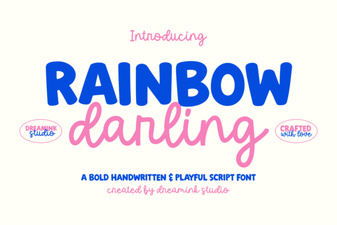 Rainbow Darling Duo Font: Design Inspiration & Uses
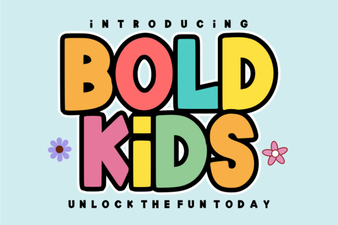 Playful Bold Kids Font for Creative Projects and Design
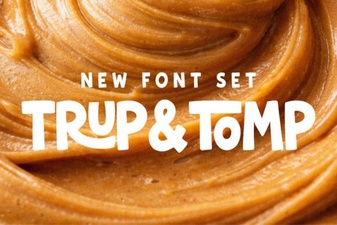 Trup & Tomp Font: Fresh Typography Project Ideas
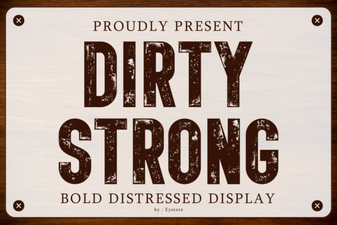 Dirty Strong Font: Gritty Typography for Bold Designs
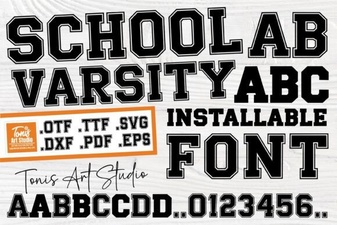 School Varsity Font: Creative Design Ideas and Inspiration
 Fishtail Monogram Font: Elegant Designs & Branding Ideas