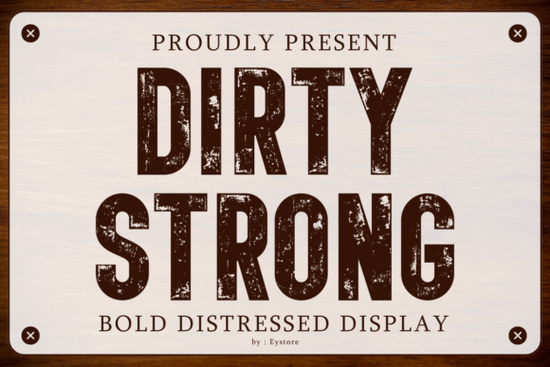
Dirty Strong Font is a bold, distressed sans-serif display typeface built for designs that need a raw, industrial edge. Its gritty, eroded letterforms instantly bring a rugged streetwear or vintage factory feel to t‑shirt graphics, coffee bags, and workshop signage. If you often sell print‑on‑demand apparel or need typography that shouts “hand‑made” and “heavy‑duty,” this font delivers that exact mood without extra texture overlays.
What Makes Dirty Strong Stand Out?
The font’s authentic distress isn’t just a random texture filter each character feels naturally worn, as if stamped with old wood type or weathered by time. Letter edges have subtle chips, rough strokes, and slightly uneven weights that mimic real letterpress prints. This consistency means you don’t have to fake the effect in Photoshop: the font does the work for you.
While many display fonts lean too clean or cartoonish, Dirty Strong stays firmly in the masculine, industrial design space. The uppercase letters are tightly spaced and sturdy, making it a natural fit for bold headers, brand logos, or automotive posters. Even at larger sizes, the distress holds up without becoming muddy or illegible.
Who Should Use This Font?
This typeface speaks directly to designers, crafters, and small business owners who need immediate character. Consider it if you:
- Run a streetwear label and need consistent logo lettering across hoodies, caps, and tote bags.
- Sell digital download bundles for t‑shirt makers and want a reliable “grunge” option.
- Design product packaging for coffee roasters, craft beer, or hand‑made soap anything that wants to feel artisanal and robust.
- Create large‑format signage for markets, workshops, or vintage‑style pop‑up shops.
Print‑on‑demand sellers will appreciate how the texture remains sharp on both light and dark garments, especially when using direct‑to‑garment printing or sublimation. Because the distressed details are baked into the vector outlines, you can scale the font to any size and keep the same gritty look without pixelation.
How Does It Perform on Different Materials?
We tested Dirty Strong on cotton canvas, kraft paper, and matte vinyl. On all surfaces, the rough edges transfer cleanly there’s no fill‑in of small details like you sometimes get with overly intricate grunge fonts. The bold weight helps the design pop even on dark backgrounds, while the slight irregularity prevents it from looking sterile.
For embroidery or laser engraving, the simplified shapes behind the distress still work. Many distressed fonts lose their identity when stripped down to a single‑line path, but Dirty Strong’s core structure remains recognizable. If you’re unsure, always run a test stitch‑out, but the design intent holds up well.
Can You Pair It with Other Fonts?
A font this loud works best as the hero of your composition. Pair it with a clean, narrow sans‑serif for body copy or a tiny signature script for contrast. For example, you might combine the roughed‑up headline with a light monoline font to create a balanced event flyer. Avoid pairing it with another heavily textured display font two competing textures can make the layout feel chaotic.
If you’re after a slightly different vintage direction, Creative Vintage offers a more ornate, seriffed letterform with a similar distressed soul. For sportier projects, School Varsity brings a clean athletic vibe that still carries a masculine presence. When you need something more elegant yet strong, Fishtail Monogram uses decorative swashes to soften the toughness. And if you occasionally design for a softer audience, Cute Stories demonstrates how a handwritten feel can coexist with a strong personality useful for craft fair labels that still need a friendly touch.
All of these, including Dirty Strong, live in the same display font family, making it easy to build a cohesive toolkit for varied client work.
What’s the Best Way to Use Distressed Fonts in Branding?
Distressed typography works best when you commit to the concept. A half‑hearted use like a rough font on an otherwise ultra‑polished corporate layout can feel mismatched. Apply Dirty Strong to the primary wordmark, then echo the texture through subtle background elements, like a light paper‑texture overlay or an earthy colour palette. This coherence signals authenticity, which shoppers increasingly associate with small‑batch quality.
For coffee packaging, for instance, let the font dominate the front label while keeping ingredient copy simple and legible. On a tote bag, center the brand name in all caps and let the natural wear of the fabric add a second layer of texture. The key is to let the font do the heavy lifting you don’t need to layer five different effects on top of it.
Quick Checklist Before You Download
- Preview at final size. Open the font tester with your exact word and scale it up. Make sure the distress reads the way you imagine sometimes a slightly different tracking makes a huge impact.
- Check file support. Dirty Strong normally comes as OTF and TTF, so it’s ready for both desktop and mobile‑friendly design software.
- Test on your mockup. Place the text on a t‑shirt, mug, or bag template to see how the worn edges interact with the fabric texture.
- Plan your color palette. Earth tones, muted blacks, and off‑whites work wonders. Neon colours can fight the vintage feel unless you’re deliberately going for a retro‑punk mash‑up.
- Save a style guide. If you’ll use Dirty Strong across multiple products, jot down the exact tracking, size, and colour values you pick. This keeps your brand consistent after the first print run.
When you finish a project with this font, you’ll likely realise how much time you saved by not manually roughing up a clean sans‑serif. That alone makes it a solid addition to any designer’s toolkit that regularly handles rugged branding or apparel work.
Download Now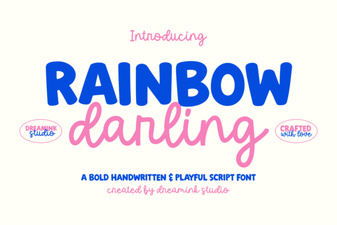 Rainbow Darling Duo Font: Design Inspiration & Uses
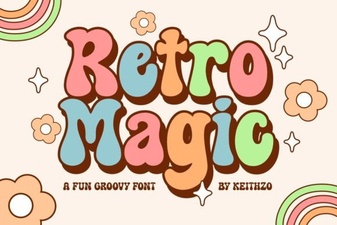 Retro Magic Font: Playful Vintage Typeface for Design Projects
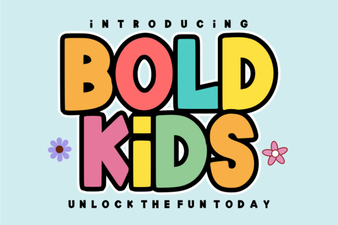 Playful Bold Kids Font for Creative Projects and Design
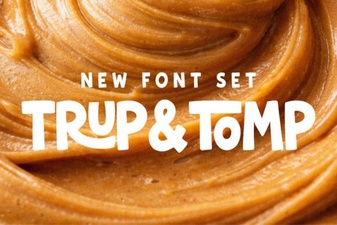 Trup & Tomp Font: Fresh Typography Project Ideas
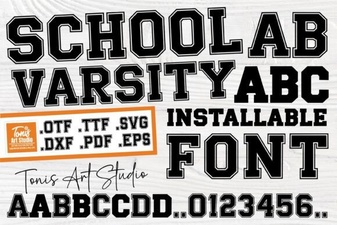 School Varsity Font: Creative Design Ideas and Inspiration
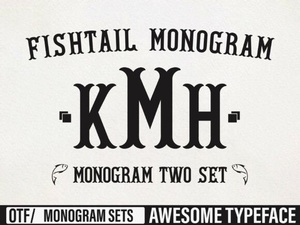 Fishtail Monogram Font: Elegant Designs & Branding Ideas