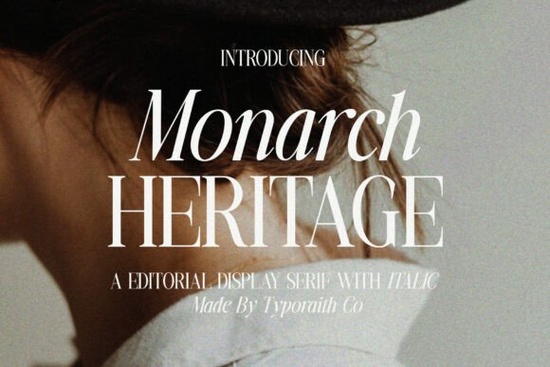
If you’ve been looking for a serif that carries quiet confidence without shouting, you may have already stumbled across the Monarch Heritage Font. It’s an editorial display face that leans into refined contrast, soft curves, and a polished modern feel. Designers, small business owners, and print-on-demand creators often reach for it when a project needs a touch of luxury that still feels approachable. The font includes Regular and Italic styles, giving you just enough flexibility to build elegant magazine layouts, premium product packaging, or wedding stationery that feels handcrafted rather than mass-produced.
What projects work best with Monarch Heritage?
This typeface shines where high–end visual storytelling matters. Because its stroke contrast and graceful terminals read as contemporary yet classic, it fits naturally into:
- Magazine spreads and editorial headlines the display size stands out without overpowering secondary body fonts.
- Luxury branding and logo marks the regular weight feels sophisticated, while the italic adds a softer, more personal touch.
- Wedding invitation suites and envelope liners the letterforms hold up well on textured and specialty papers.
- Fashion–forward posters and social media visuals a quick glance communicates refinement without feeling old–fashioned.
- Creative portfolios and lookbooks large titles set in Monarch Heritage create a consistent, artistic rhythm across pages.
If you enjoy this refined aesthetic, you might also explore another graceful serif, Sparky Dream, which offers its own warm and whimsical personality ideal when you need a display face that feels a little more playful.
How does the italic expand your design vocabulary?
With Monarch Heritage, the italic isn’t a slanted afterthought. The italic style carries a distinct set of swashes and subtle motion, making it useful beyond simple emphasis. You can use it for:
- Pull quotes inside editorial layouts, where the italic creates a handwritten, personal pause.
- Product taglines or signature branding an italic wordmark often feels bespoke and memorable.
- Accenting key dates or names in wedding suites without needing a separate script font.
- Adding hierarchy in packaging design: place the main product name in Regular and the descriptive line in Italic for a clean, layered look.
Because both styles share identical metrics and spacing, you can swap between them without reflowing your layout, a practical detail that saves time when you’re working on tight deadlines.
Is this typeface practical for print–on–demand sellers?
Absolutely. POD creators need fonts that reproduce well across different substrates tote bags, mugs, t‑shirts, phone cases and a high–contrast display serif can sometimes lose detail at small sizes. Monarch Heritage’s contrast is bold but not fragile. The letterforms maintain their shape on cotton fabrics and polymer–coated items, especially when you stick to recommended sizes above 18pt for the Regular style. The italic, with its slightly lighter stroke in places, works best a few points larger for the same level of readability.
Many small business owners who package their own products also find the complete Monarch Heritage family useful for hang tags, stamp designs, and digital download covers. The consistent rhythm between the two styles helps create a cohesive suite of assets without needing to buy multiple typefaces.
What makes the spacing and kerning edit–ready?
One detail often overlooked in display typefaces is how they behave in long headlines. Monarch Heritage includes well–considered sidebearings and kerning pairs that reduce the need for manual spacing adjustments. Common pairs like “AV”, “To”, and “We” sit comfortably, and the numbers align neatly in date stacks and pricing tables. If you frequently design for jewelry brands or product photography overlays, this saves you ten small manual fixes per layout.
For an extra layer of polish, try using the Regular style with slightly increased tracking (around 20–40 units) for an airy, upmarket finish that suits velvet–lined box mockups and minimalist web banners.
How does it pair with other typefaces?
A strong editorial display serif needs a quiet partner. Monarch Heritage pairs well with:
- Geometric sans–serifs (like Futura or Montserrat) for clean, modern branding contrasts.
- Simple humanist sans–serifs (like Open Sans or Source Sans) for accessible, reader–friendly editorial spreads.
- Minimal script fonts if you need a third voice for accents, stick to thin, monoline scripts that don’t compete with the serif’s detail.
When testing pairings, set the sans–serif in a light or regular weight and let Monarch Heritage carry the visual weight. This keeps the hierarchy clear without crowding the layout.
Quick checklist before you start your next design
- Preview both styles type your headline in Regular and re-evaluate how the Italic changes the tone.
- Check the texture at target sizes print a sample on the actual material if it’s a product mockup.
- Leave generous white space the refined contrast stands out better when it isn’t surrounded by busy elements.
- Limit line length for editorial headlines, keep lines under 8–10 words so the rhythm doesn’t feel monotonous.
- Test on light and dark backgrounds the letterforms hold their elegance on both, but a slightly cream background often warms the look.
Try setting a simple wordmark in Monarch Heritage Italic, then add tracking and watch how the same few letters take on a completely different personality. Small experiments like that often lead to the strongest visual choices.
Get Started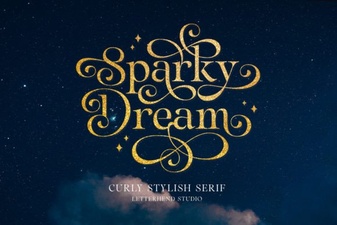 Sparky Dream Font: a Whimsical Typeface for Dreamy Designs
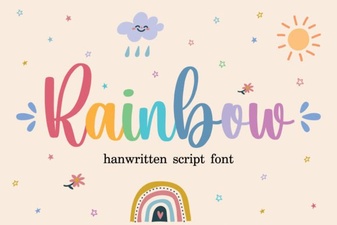 Rainbow Font Design Ideas for Colorful Projects
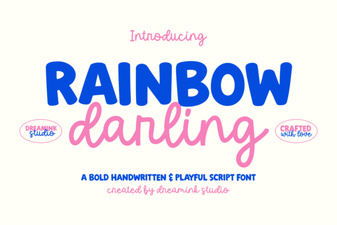 Rainbow Darling Duo Font: Design Inspiration & Uses
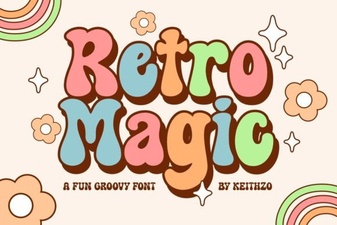 Retro Magic Font: Playful Vintage Typeface for Design Projects
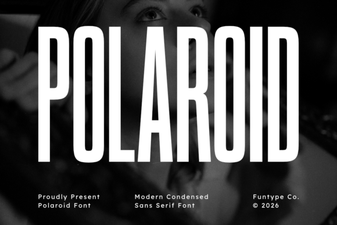 Polaroid Font: Timeless Retro Charm for Your Designs
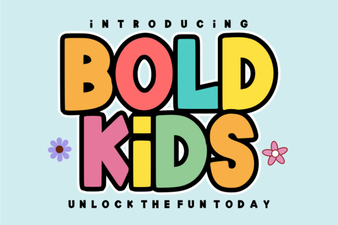 Playful Bold Kids Font for Creative Projects and Design